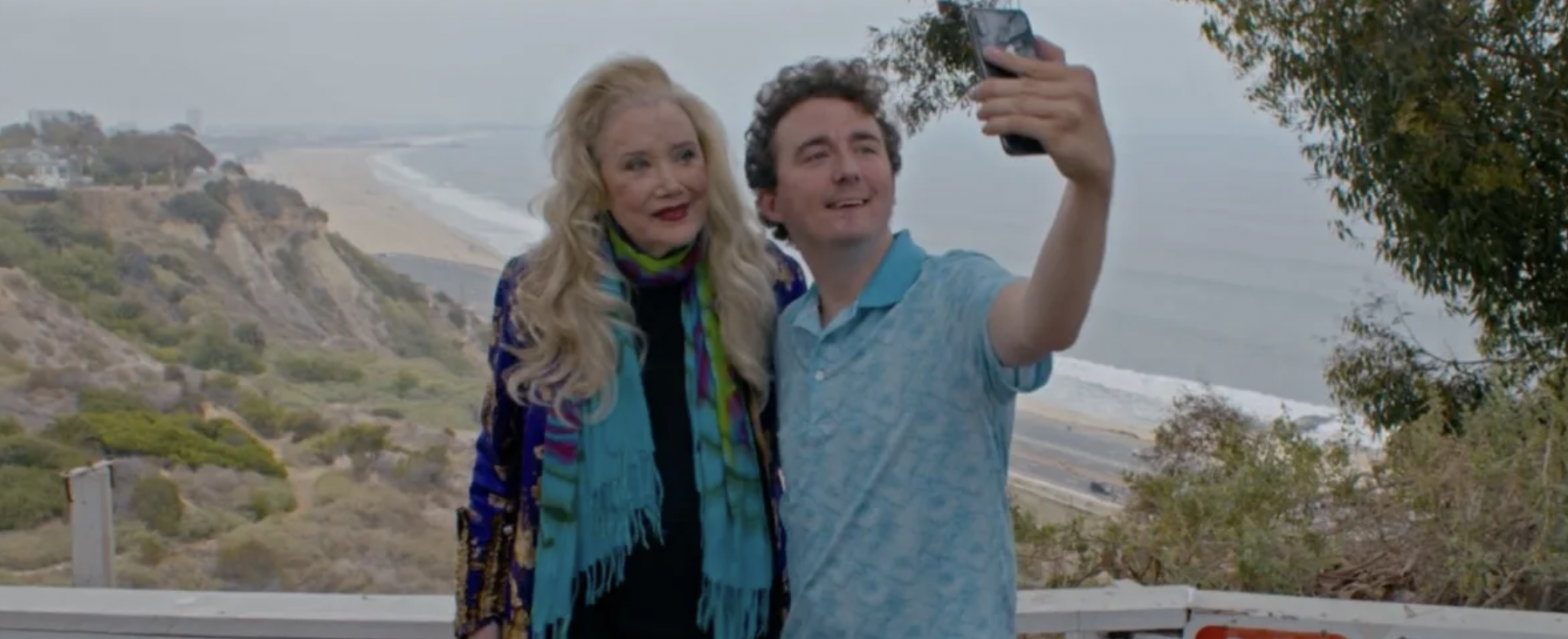
Sallywood is a small film with a surprisingly lasting impact. Written and directed by Xaque Gruber and inspired by his own experience as an assistant to Oscar-nominated actress Sally Kirkland, the movie combines comedy, memoir, and gentle reflection into an understated Hollywood story that remains personal from start to finish.
Tyler Steelman stars as Zack, a young writer who moves to Los Angeles intent on breaking into the industry. However, he unexpectedly ends up as the assistant to none other than Sally Kirkland (playing herself), whose career has waned but whose spirit remains strong. Their connection forms the emotional heart of the film, and following Zack as he transforms from aspiring writer to reluctant caretaker and finally to true believer gives the film both its structure and soul.
At first, the tone may seem slightly quirky, even overly earnest, but once the rhythm settles, the film becomes quietly moving. It doesn’t aim to dramatize Hollywood or make sweeping statements. Instead, it observes honestly—combining narrative scenes with documentary-style commentary, archival footage, and cameo appearances from actors like Eric Roberts and Keith Carradine. The result feels like a mix between a tribute and a reality check.
Kirkland is magnetic on screen, not because she’s performing, but because she seems to simply allow herself to be seen. The film acknowledges her peak—Anna, the role that earned her Golden Globe and Oscar recognition—while also addressing the challenges that followed. There’s subtle humor throughout, some of it sharply delivered, but beneath that lies something tender: a recognition of what it means to age in an industry that chases the new.
Gruber doesn’t attempt to overinflate the story. He keeps it grounded, allowing themes of relevance, resilience, and artistic persistence to emerge naturally. The film also touches on financial realities in Hollywood, notably through small but telling dilemmas—like needing to find money for car repairs—reminding viewers that fame doesn’t always mean security.
At just over 80 minutes, Sallywood is modest in size but powerful in impact, especially with the real-world knowledge that Kirkland died shortly before its release. That timing adds emotional weight without feeling manipulative.
Not every scene hits perfectly, and some might find the earnestness a bit overwhelming at times. Still, by the end, Sallywood feels like a sincere tribute—to a performer who lived boldly and to the dreamers who keep chasing purpose long after the spotlight dims. It’s not flashy, but it’s heartfelt and quietly memorable.