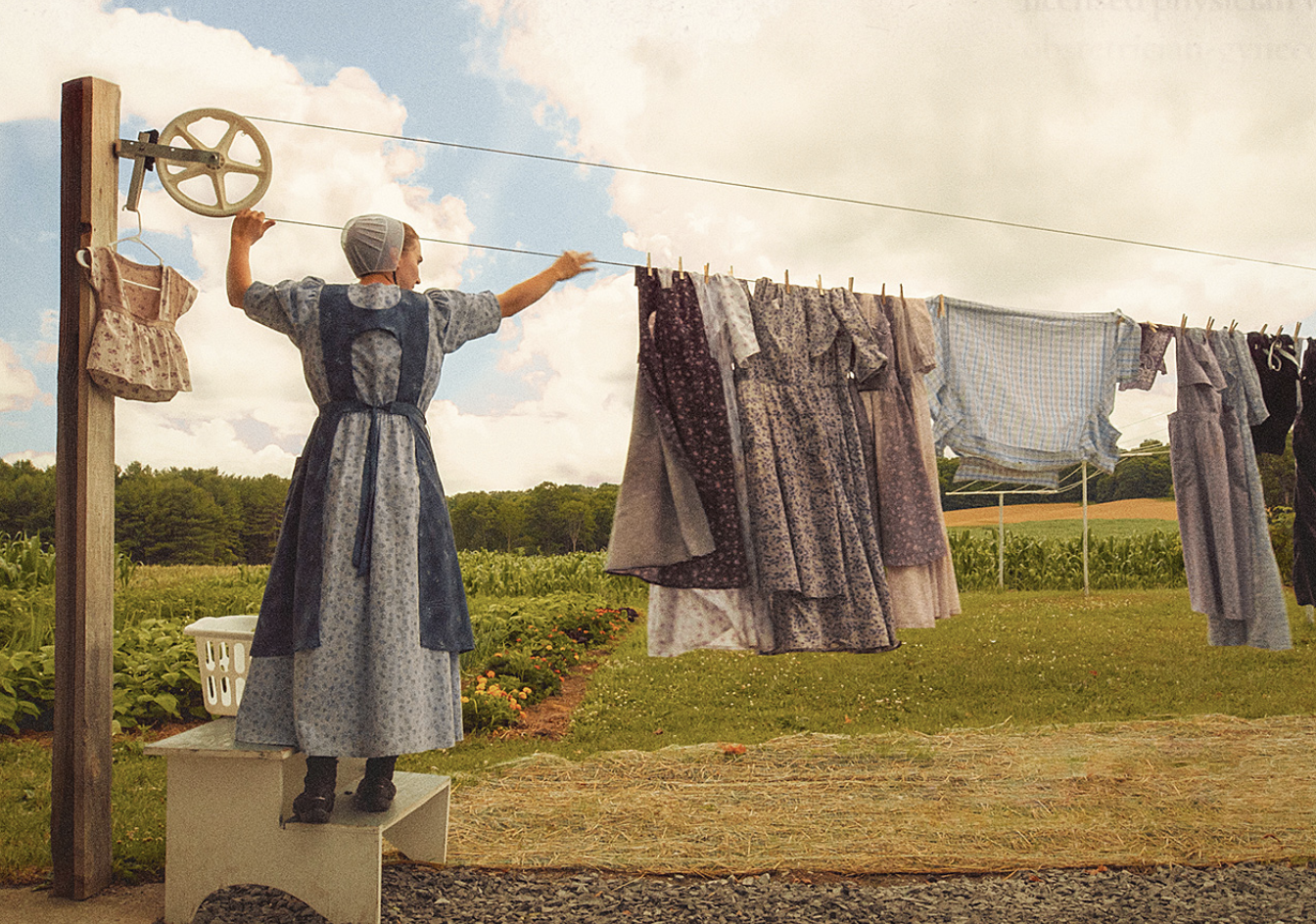
Watching Arrest the Midwife felt less like being swept into a dramatic crusade and more like being dropped into a complex situation that’s been developing for years. Director Elaine Epstein presents a case that’s emotional, yes, but also complicated — legally, culturally, and personally. The documentary follows three certified professional midwives in upstate New York who find themselves facing criminal charges for practicing midwifery in a state that doesn’t recognize their credentials. It’s a situation that initially seems unbelievable, but the film gradually shows how these women ended up in this position.
What drew me in was the level of access Epstein has inside Amish and Mennonite communities. She films births, family life, and tense community meetings without sensationalizing anything. The midwives come across as practical, down-to-earth women who clearly have the trust of the families they serve. That makes the legal pressure feel heavier; it’s not abstract policy — it’s something that affects their daily lives, their identities, and the health care choices of the women who depend on them.
The prosecution of midwife Liz Caitlin becomes the core of the film. A baby’s death results in charges, and suddenly her decades of experience don’t matter — it’s the fact that New York refuses to license CPMs. Epstein doesn’t make Caitlin a martyr, but she does show the emotional toll: the court appearances, legal bills, and the fear of losing the work she loves. I appreciated that the film allows her to be human rather than turning her into a symbol.
One of the strongest parts of the documentary is watching the Amish and Mennonite women who depend on these midwives step into advocacy roles they never imagined taking on. They write letters, appear in court, and even confront lawmakers. It’s quiet activism, but meaningful. Epstein captures this change well, though she still maintains a respectful distance that honors cultural boundaries rather than trying to “modernize” her subjects for the camera.
Stylistically, the film is steady and reflective. Epstein avoids dramatic music and favors a naturalistic look that fits the story. However, the film can feel somewhat one-sided at times — we rarely hear directly from medical authorities or critics of CPM midwifery, and this absence leaves some questions unresolved. While the documentary effectively shows the stakes, it assumes familiarity with midwifery licensing laws that many viewers might not have.
Even with those limitations, Arrest the Midwife is an engaging and quietly troubling portrait of how legal gray areas can upend people’s lives. For me, the emotional impact wasn’t in broad statements but in small moments — a midwife double-checking her supplies, a family explaining why they trust her, or women from insular communities standing together in a courthouse hallway. It’s a film that stays with you not because it’s loud, but because it’s steady and sincere.