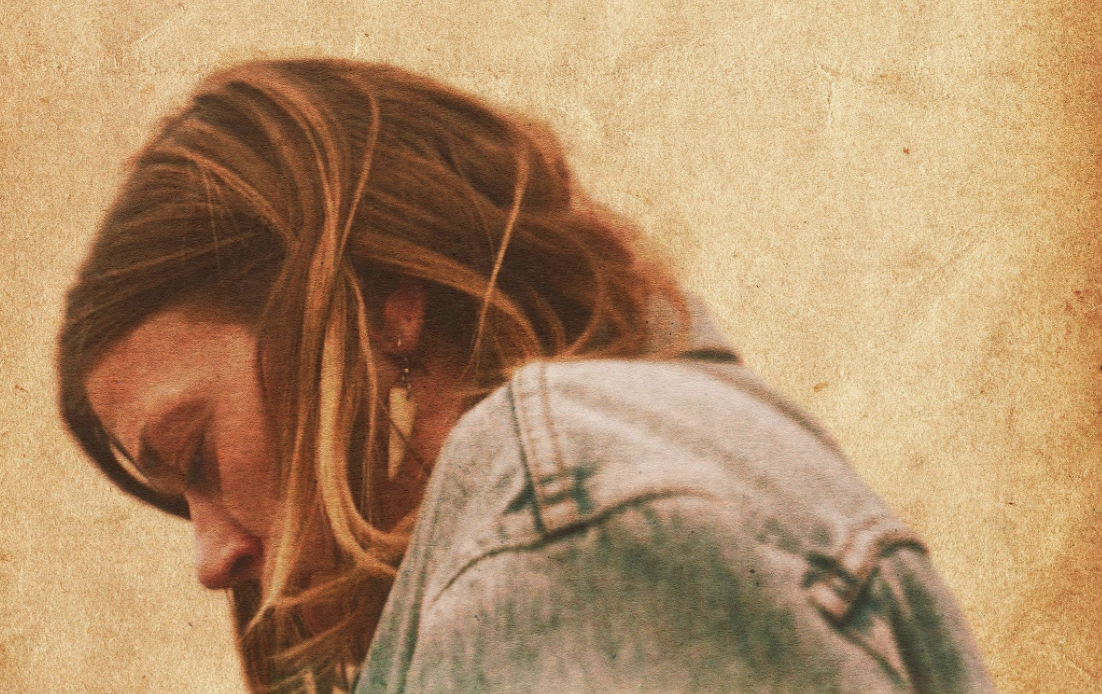
Adrianne Palicki anchors the story as an unnamed woman juggling exhaustion, dread, and quiet resolve. She lives on the margins—working at a small-town bar, driving a battered truck, texting a number she hopes will lead her to medical care she can’t access nearby. Her journey is less a dramatic escape and more a determined crawl toward autonomy, and Palicki portrays her with deep interiority that feels honest, even when the character seems sealed off from the world.
Along the way, she navigates the people who think they know what’s best for her: Cody (Matt Lauria), her well-meaning but overbearing brother; Mindy (Odette Annable), the judgmental sister-in-law who raises an eyebrow at everything; and Pastor Mike (Henry Thomas), who stays on the sidelines with that familiar mix of concern and moral pressure. These performances are excellent—never exaggerated, never villainous, just painfully realistic.
When the woman’s truck breaks down, the film introduces its brightest spot: Haley (Ciara Bravo), a young, out-of-town driver dealing with her own issues. Their scenes together have a tender awkwardness that I found especially moving. Bravo may be slightly overwhelmed by the script’s emotional weight, but she offers sincerity, and that counts.
The film’s story is undeniably timely—its focus on women’s healthcare in the rural South couldn’t be more relevant. But Due West doesn’t take a strong stance or explore its themes in depth. Instead, it provides a single, personal experience without examining the complexities or raising new questions. For some viewers, that may feel like a missed chance. For others, the simplicity might seem intentional: the woman’s situation is so familiar, so straightforward, so quietly urgent that it hardly needs any embellishment.
Stylistically, the film feels caught between a gritty indie vibe and a softer, more refined style. It hints at darkness but never fully embraces it. I wished it would lean more into either the raw edge or a deeper emotional complexity.
Still, there is much to admire. The performances are consistently strong. The pacing, though deliberate, reflects the emotional journey. And Evan Miller’s direction shows clear promise — he knows how to build tension without shouting and how to let silence speak for a character who doesn’t readily reveal her inner life.
For me, Due West was a thoughtful festival experience: imperfect, yes, but grounded, relevant, and driven by a cast that refuses to take the easy route. Even with its limitations, it’s a film that sticks with you—and one that resonated even more for being viewed in the Texas countryside it portrays.