Austin Film Festival 2026
Sex, scandal, outrageous headlines, and an ambitious Australian businessman determined to make a fortune selling newspapers provide the backdrop for Danny Boyle’s Ink. The film follows Rupert Murdoch and editor Larry Lamb as they turn Britain’s struggling The Sun into a tabloid sensation. Their formula for success is hardly admirable, but it certainly proves profitable.
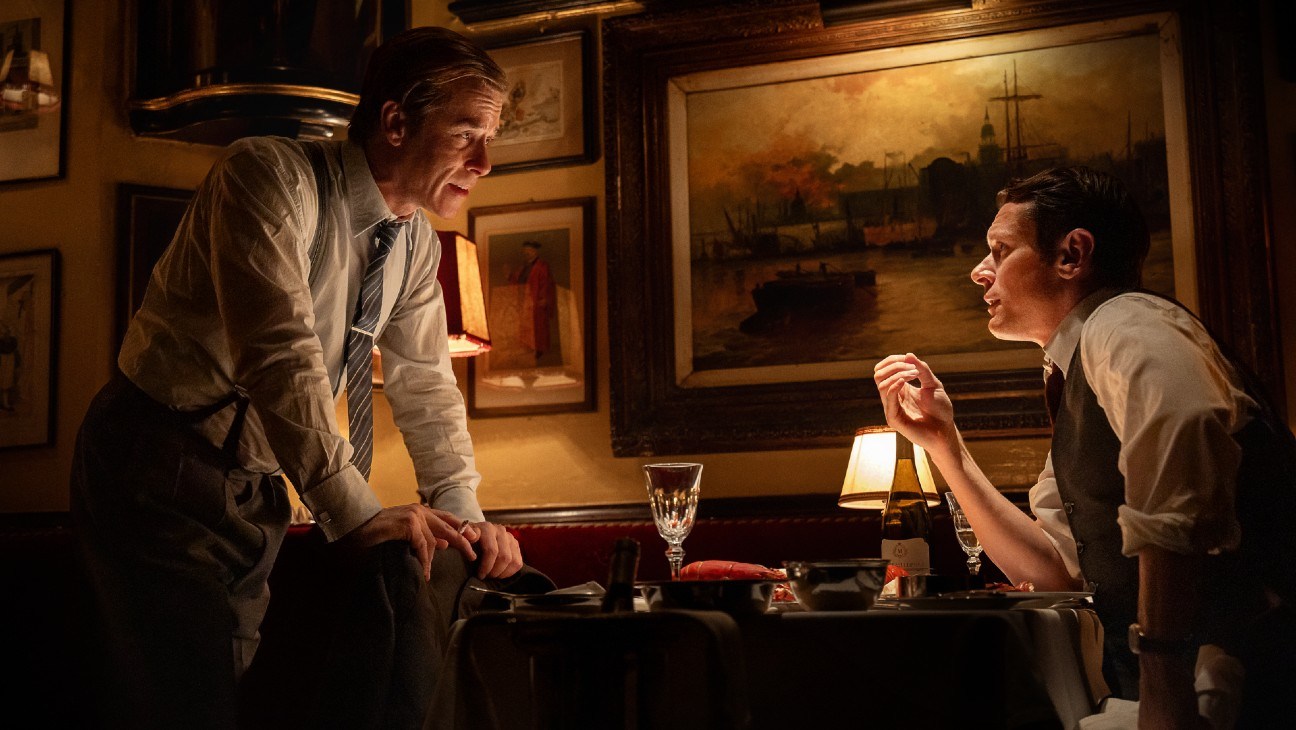
In 1969, Murdoch (Guy Pearce) purchases The Sun, a failing London newspaper struggling to compete with the enormously popular Daily Mirror. He hires Larry Lamb (Jack O’Connell) as editor, and together they begin dismantling traditional newspaper conventions. Lamb fills the pages with sensational stories, celebrity gossip, provocative headlines, and eventually the notorious Page 3 girls. Respectability takes a back seat to circulation, and neither man seems particularly troubled by the arrangement.
Pearce is outstanding as Murdoch, a shrewd businessman whose quiet demeanor barely conceals his determination to succeed. His performances rarely disappoint, and here he captures a man willing to gamble millions on the public’s appetite for scandal. O’Connell’s Lamb is another matter entirely. Brash, energetic, and occasionally reckless, he attacks the newspaper’s problems with an enthusiasm that borders on obsession. The contrasting personalities play beautifully against each other, and both actors are thoroughly convincing.
Murdoch and Lamb make an interesting pair. Neither seems especially concerned about the consequences of their editorial decisions, as long as the newspapers keep selling. Their business instincts are impressive, although their ethics are another matter. Brilliant businessmen or unscrupulous opportunists? A bit of both, it seems.
Boyle moves the story along at a lively pace, although his decision to splash headlines and newspaper stories across the screen becomes frustrating. The rapid flashes of print and images reflect the publication’s sensational nature, but they disappear almost as quickly as they appear. There’s barely enough time to read them before another takes their place. The technique grows tiresome and occasionally distracts from an otherwise engaging story.
The film’s recreation of late 1960s London is especially appealing. The clothing, hairstyles, busy newsrooms, and printing presses capture the period beautifully. Newspaper production was a very different business before computers and digital publishing, and the film offers an interesting look at the people and machinery that got the news onto the streets.
Having lived in London for a year, I found The Sun familiar reading, and its outrageous headlines and infamous Page 3 girls are difficult to forget. The topless photographs were practically a trademark of the publication, and subtlety was certainly never its strong suit. Watching the origins of a newspaper that once seemed such an ordinary part of British life added a personal element to the experience.
Ink offers a revealing look at two men who recognized what the public wanted and had few reservations about providing it. Pearce and O’Connell carry the film with convincing performances, while Boyle’s period recreation lends the story a wonderful sense of time and place. Despite the distracting visual flourishes, the film delivers an entertaining and occasionally unsettling account of how sensationalism became enormously profitable.
Murdoch and Lamb may not have improved journalism, but they certainly knew how to sell it.